Background
They are one of the five main drivers of biodiversity loss and cost the EU over €12 billion annually. Increase in trade and transport, climate change and land-use changes are accelerating the introduction, establishment and spread of IAS, making effective control measures more urgent than ever.
The EU is dedicated to preventing and mitigating the harmful effects of IAS on biodiversity and ecosystem services. The EU Biodiversity Strategy for 2030 aims to control established IAS and halve the number of Red List species threatened by them by 2030.
The Invasive Alien Species Regulation (Regulation (EU) 1143/2014) establishes a coordinated approach across Member States. A key component of the regulation is the list of Invasive Alien Species of Union Concern, which requires Member States to take preventive, early detection, and management actions for listed species.
To support these measures, the EU has developed several tools to enhance the monitoring and management of IAS. The European Alien Species Information Network (EASIN) is an online platform that provides comprehensive data to aid in policy implementation. The Species Search and Mapping Tool allows users to track the distribution of alien species listed under the Union List across Europe. Additionally, the IAS Notification System enables EU countries to report new sightings and the measures taken to control IAS.
Project
OneSTOP seeks to minimise the introduction, establishment and spread of terrestrial invasive alien species.
It does so by integrating new detection approaches with data dissemination methods and models to prioritise species and action through stakeholder engagement and effective management. By leveraging technologies including computer vision, environmental DNA (eDNA) and citizen science, the project is developing novel approaches for species detection. To support policymakers and practitioners, OneSTOP is implementing a data-driven prioritisation system that uses automated workflows, model projections, and multi-criteria analysis to assess and rank risks effectively. By ensuring that IAS data and software are open and FAIR, the project facilitates rapid information sharing to inform rapid action.
OneSTOP is also incorporating co-creation methodologies through five Living Labs, culturomics for socioeconomic insights, and active stakeholder participation to harmonise policy goals, enhance public engagement and improve IAS management strategies.
Communication, dissemination and exploitation
Led by Pensoft Publishers, WP1 will maximise OneSTOP’s impact by implementing communication, dissemination, and exploitation strategies. The specific objectives are to build OneSTOP’s visual identity, conduct an effective knowledge transfer, ensure FAIR data management and raise awareness of key IAS to reduce introductions and spread.
Technical innovations — Development of methods for rapid detection of invasive species
Led by Aarhus University, WP2 aims to advance high-potential technologies for IAS detection. Its goals are to refine eDNA, computer vision, and iEcology methods for deployment; assess their efficacy; and showcase the role of private gardens as early warning sites for emerging IAS.
Societal experimentation
Led by Coventry University, WP3 facilitates collaboration and co-creation across work packages. Using five Living Labs, it engages stakeholders to actively participate in the project, test technologies and alerts and co-develop solutions. It also equips stakeholders with the skills to sustain the Living Labs for ongoing collaborative invasive alien species management.
Data integration
Led by the Research Institute for Nature and Forest, WP4 ensures rapid data dissemination. It streamlines workflows to reduce delays in data sharing, automates (re)publishing of national GRIIS checklists, generates GRIIS Europe, provides timely IAS occurrence alerts, and enhances data harmonisation.
Prioritisation – prediction, horizon scanning and early warning
Led by the UK Centre for Ecology and Hydrology, WP5 leverages models and future scenarios to map distributions, integrate real-time data into modelling, scan for threats, assess impacts on Red List species and guide resource allocation.
Policy and society
Meise Botanic Garden (MeiseBG) in Belgium has a biodiversity informatics team that focuses on managing and disseminating information about plant and fungal biodiversity. They collect and curate data from various sources, including scientific literature and field observations, and make it available through online databases and tools. They also develop software and applications that enable researchers and the public to access and analyse this information. The team collaborates with other institutions to advance the use of digital technologies for biodiversity research and conservation. In addition, they conduct their own research using the data they curate to understand patterns of plant and fungal diversity and evolution.
Meise Botanic Garden
Institutional description
Meise Botanic Garden (MeiseBG) in Belgium has a biodiversity informatics team that focuses on managing and disseminating information about plant and fungal biodiversity. They collect and curate data from various sources, including scientific literature and field observations, and make it available through online databases and tools. They also develop software and applications that enable researchers and the public to access and analyse this information. The team collaborates with other institutions to advance the use of digital technologies for biodiversity research and conservation. In addition, they conduct their own research using the data they curate to understand patterns of plant and fungal diversity and evolution.
Team members
Quentin Groom is a botanist and biodiversity informatics specialist. His work focuses on applying data science and information systems to biodiversity research and conservation, particularly in the areas of invasive species monitoring and taxonomy. Quentin has contributed to numerous national and international initiatives, and is committed to enhancing the accessibility and interoperability of biodiversity data. He has a background in plant ecology and systematics, and combines scientific expertise with a passion for digital innovation in biodiversity science.
Louise Hendrickx is a researcher at Meise Botanic Garden, where she works within the Bio-Informed Team. She contributes to several Horizon Europe projects, with a focus on science communication, project coordination, and connecting biodiversity research with wider societal challenges. With a background in pharmaceutical sciences (PhD, KU Leuven), she is particularly interested in the intersections between biodiversity and human health, and in fostering collaborations that support both ecosystem resilience and wellbeing.
Sofie Meeus is a research scientist at Meise Botanic Garden in Belgium, where she leads and contributes to citizen science, biodiversity informatics, and ecological outreach projects. With a background in evolutionary biology and a Ph.D. in Biological Sciences from the University of Leuven, she has coordinated several bioblitzes and other public engagement initiatives, including #HOMEsafari and KIKS. Her work focuses on bridging science and society through collaborative research, open data, and participatory monitoring of biodiversity. She also co-chairs the European Citizen Science Association’s working group on Green Spaces and Citizen Science, and leads the work package in OneSTOP on social and policy challenges of managing invasive alien species.
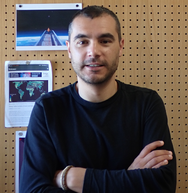
Simon Reynaert is a solution-oriented ecologist studying interactions between people and nature from a holistic perspective. Currently, he works as a biodiversity informatics researcher at Meise Botanic garden as part of the Bio-Informed team. His main responsibility revolves around the iEcology task within the OneSTOP project, where repeatable workflows aggregate secondary data from a variety of internet platforms, scan these data for invasive alien species observations and evaluate their utility for incorporation in early detection systems.
Laura Abraham has a background in Evolution and Behaviour Biology and works as a biodiversity informatics researcher at Meise Botanic Garden, as part of the Bio-Informed team. Her work focuses on digital innovation in biodiversity data and policy support. She has contributed to projects such as DiSSCo Flanders and TETTRIs, and is currently involved in several Horizon Europe projects, including B-Cubed (B3), OneSTOP, and a risk assessment study on invasive alien species. She is also active in citizen science initiatives like DoeDat and FlatwormWatch, promoting public engagement in biodiversity monitoring. Laura is involved in the COST Action SMILES, which support the resilience of small and medium islands by enhancing ecosystem services. She currently works on the OneSTOP Living Labs in Belgium, which co-create innovative IAS detection and monitoring tools with local stakeholders.
Aarhus University (AU) is a public research university with its main campus located in Aarhus, Denmark. Established in 1928, it has since developed into a major Danish university with a strong international reputation across the entire research spectrum. It is the second oldest and second largest university in Denmark and consists of five faculties with a total of twenty-seven departments.
The Department of Ecoscience conducts applied and basic research at the highest international level, focusing on nature and the environment.
The department provides research-based knowledge to solve societal challenges by providing consultancy to government agencies and institutions and through collaboration with the business community. Of relevance to OneSTOP, we develop effective hardware and software solutions and methods for automated monitoring of species and ecosystems in collaboration with engineers and computer scientists. Data streams from e.g. camera systems provide novel insights into the occurrence and activity of species, and their interactions and are used to gain a better understanding of how species are affected by environmental variation and change.
Aarhus University
Institutional description
Aarhus University (AU) is a public research university with its main campus located in Aarhus, Denmark. Established in 1928, it has since developed into a major Danish university with a strong international reputation across the entire research spectrum. It is the second oldest and second largest university in Denmark and consists of five faculties with a total of twenty-seven departments.
The Department of Ecoscience conducts applied and basic research at the highest international level, focusing on nature and the environment.
The department provides research-based knowledge to solve societal challenges by providing consultancy to government agencies and institutions and through collaboration with the business community. Of relevance to OneSTOP, we develop effective hardware and software solutions and methods for automated monitoring of species and ecosystems in collaboration with engineers and computer scientists. Data streams from e.g. camera systems provide novel insights into the occurrence and activity of species, and their interactions and are used to gain a better understanding of how species are affected by environmental variation and change.
The UK Centre for Ecology & Hydrology (UKCEH) is a leading independent research institute dedicated to understanding and transforming how we interact with the natural world. With over 600 researchers, it tackles the urgent environmental challenges of our time, such as climate change, pollution, and biodiversity loss.
UK Centre for Ecology & Hydrology
Institutional description
The UK Centre for Ecology & Hydrology (UKCEH) is a leading independent research institute dedicated to understanding and transforming how we interact with the natural world. With over 600 researchers, it tackles the urgent environmental challenges of our time, such as climate change, pollution, and biodiversity loss.
Team members
Helen Roy is a principal scientist — ecologist — at UKCEH and Professor in Ecology at the University of Exeter. She leads collaborations to deliver high impact research to understand and predict the effects of biological invasions on biodiversity and ecosystem function. Her research on biological invasions has gained her international recognition both through informing policy and advancing science including as co-chair of the IPBES thematic assessment on Invasive Alien Species their Control.
Helen is passionate about science communication and engaging people with biodiversity science. Helen works within the Biological Records Centre to develop zoological monitoring and research in collaboration with the volunteer wildlife recording community across the UK.
Michael Pocock is an ecologist interested in the interactions of nature – people – data, especially researching biodiversity change through ‘citizen science’. He has broad experience of citizen science and participatory monitoring: running projects, innovating, building the evidence base for excellence, and using the data for ecological research. He takes a participant-focussed approach to developing citizen science including using co-design. At UKCEH, he works within the Biological Records Centre that has 60 year history of supporting naturalists making records helping to understand changes in biodiversity.
Mariana Murakami is part of the ecological modelling team in OneSTOP, responsible for developing and testing predictive models that assess the establishment potential of non-native species. Their role helps translate ecological data into actionable insights for policy and management.
Lori Lawson Handley is a molecular ecologist in the Aquatic Ecosystems Group at UKCEH. Lori’s research focuses on the application of environmental DNA (eDNA) for biodiversity monitoring, with a particular interest in early detection, spread and impact of Invasive Alien Species. Within OneSTOP, Lori leads Task 2.2, which focuses on the detection of IAS with airborne eDNA.
Tom August is a computational ecologist who works to develop and deploy technology to support biodiversity monitoring. In OneSTOP is developing applications of large language models (LLMs) to support the production of EICAT assessments and reporting to land managers.
Lauren Cook is a molecular ecologist specialising in environmental DNA (eDNA) and its application in biodiversity monitoring and policy. Alongside her research, Lauren is an award-winning artist who combines science and creativity through science communication. In OneSTOP, she will be helping to detect and identify invasive species by analysing eDNA from air samples, while also supporting communications outputs.
Simon Rolph uses data science methods to improve biodiversity data collection and analysis, supporting evidence-based environmental decisions. His work develops adaptive sampling approaches to guide citizen scientists toward priority data gaps. He also studies how digital tools, such as apps and targeted messaging, can nudge recording behaviours to meet critical data needs.
Relevant publications
Pocock M.J. et al. (2024) Citizen science is a vital partnership for invasive alien species management and research. iScience 27 https://doi.org/10.1016/j.isci.2023.108623
Cook L. S. J., Briscoe A. G., Fonseca V. G., Boenigk J., Woodward G., Bass D. (2025) Microbial, holobiont, and Tree of Life eDNA/eRNA for enhanced ecological assessment. Trends in Microbiology, 33(1) https://doi.org/10.1016/j.tim.2024.07.003
BIOPOLIS-CIBIO addresses the upgrade of the research unit CIBIO to a Centre of Excellence for R&D&I, through teaming up with a leading scientific institution, the University of Montpellier (France), and with the participation of a business partner, the Porto Business School (PBS; Portugal). Rooted on an ambitious Business Plan, the project envisions to establish BIOPOLIS as one of the best international Centres of Excellence in Environmental Biology, Ecosystem Research and AgroBiodiversity, with the capacity for spreading excellence towards innovation in the areas of Environment, Biodiversity and Agriculture, and thereby contributing to socioeconomic development at the regional and national levels.
BIOPOLIS-CIBIO
Institutional description
BIOPOLIS-CIBIO addresses the upgrade of the research unit CIBIO to a Centre of Excellence for R&D&I, through teaming up with a leading scientific institution, the University of Montpellier (France), and with the participation of a business partner, the Porto Business School (PBS; Portugal). Rooted on an ambitious Business Plan, the project envisions to establish BIOPOLIS as one of the best international Centres of Excellence in Environmental Biology, Ecosystem Research and AgroBiodiversity, with the capacity for spreading excellence towards innovation in the areas of Environment, Biodiversity and Agriculture, and thereby contributing to socioeconomic development at the regional and national levels.
Team members
Joana Vicente is a group leader and contracted researcher at BIOPOLIS CIBIO-InBIO, where she leads the research project ALIEN-SMART – Integrating biological invasions, human well-being, and sustainability to improve environmental policy and management. She was among the selected authors contributing to the IPBES Invasive Alien Species Assessment – Thematic assessment of invasive alien species and their control. Her expertise lies in both fundamental and applied research in invasion science, with a focus on ecological modelling of invasive alien species’ geographic patterns, landscape ecology, Nature’s Contributions to People, and environmental change. She applies integrative approaches to invasion processes and their societally relevant impacts, aiming to enhance the policy and management relevance of state-of-the-art research in invasion science. In 2021, she founded the research group InvasionS – Invasion Science, at BIOPOLIS-CIBIO / InBIO, which she continues to lead.
Cândida Gomes Vale is an ecologist and data analyst with research interests in biogeography, biodiversity conservation, vulnerability assessments, and ecological modeling. She holds a Ph.D. (2016) and has since developed a strong research track record in both arid and marine environments. In 2021, she completed postgraduate training in Computational Statistics and Data Analysis, further strengthening her ability to work with complex and large datasets.
Her career encompasses extensive fieldwork in challenging environments, including the Sahara Desert and the Cape Verde Islands. She is committed to applying her expertise in ecological research and data analysis to address the impacts of climate change and the spread of invasive species, to contribute to biodiversity conservation and sustainable ecosystem management.
João Gonçalves is a broad-spectrum ecologist working on integrative approaches to investigate and monitor biodiversity patterns and spatiotemporal dynamics across multiple levels, scales, and facets (composition, structure, and function). His research explores innovative ways of combining satellite-based Earth observations, ecological models, and in situ data to analyse ecosystem functions and their links to ecological processes, species distributions and diversity, functional connectivity, wildfire disturbances and post-fire recovery, as well as systems resilience.
Through this work, he aims to contribute to the development of next-generation biodiversity monitoring systems, fostering more effective strategies for a better and safer Earth.
Eva Malta-Pinto is currently pursuing a PhD in biodiversity, where she studies biological invasions through the lens of dynamic social-ecological systems. Her research interests follow two main paths. The first is theory and models, aimed at advancing fundamental understanding by conceptualizing and testing the dynamics and relationships within complex systems. The second is society, policy, and governance, where she explores societal responses to these systems, seeking to bridge the gap between scientific insights and actionable management strategies.
César Capinha is a researcher working on biogeography, biological invasions, and predictive modelling. He is currently an Assistant Professor at the University of Lisbon and a researcher at the Centre for Geographic Studies. His main research interests revolve around understanding the biogeographical changes caused by human-mediated dispersal of species, often from a global perspective. He is also very interested in the spatial and temporal modelling of ecological and biological phenomena relevant to conservation, biodiversity monitoring and epidemiology. He usually tackles these topics using state-of-the-art machine learning techniques and a range of data sources—from small to big data—including unstructured data and citizen science data.
Joana Ribeiro is a biologist with a PhD in Tropical Ecology. After earning my MSc degree in Conservation Biology, she was awarded a PhD scholarship and decided to go to Brazil and investigate how anuran communities from an intensively explored agricultural area are altered by anthropogenic activities, using an integrative approach. After defending her PhD thesis, she started working as a post-doc research assistant within project BIRDTRADE, exploring the social demands motivating the international bird market, and investigating the socioeconomic and ecological consequences of bird trade. Her main interests lie in ecology, conservation biology, functional ecology, extinction risk assessment, ecosystem services, invasion biology, and global changes. She is particularly interested in multidisciplinary integrative projects, that holistically approach complex problems, involving multiple collaborations, competencies, and perspectives. Overall, she is interested in science as a whole, including scientific research, education, outreach, and journalism.
Luís Reino is a Post-doctoral researcher at the Research Center in Biodiversity and Genetic Resources (CIBIO-InBIO) of the University of Porto (Portugal), where he currently holds a FCT Post-doc grant. After completing his graduation at the Technical University of Lisbon (1994-2000), he worked as a researcher and environmental consultant at the private company ERENA, SA (1999-2004). Thereafter, he got an FCT grant to complete his PhD in Forestry Sciences (2004-2010) at the Instituto Superior de Agronomia. After completing his FCT grant, he returned to ERENA (2008-2010) before he started the current position in CIBIO-InBIO. His main research interests are in the area of biodiversity conservation in human-dominated landscapes, particularly in agricultural and forest systems, with a special focus on farmland ecology, habitat fragmentation of farmland habitats, and invasion ecology.
Relevant publications
Vicente J. R., Vaz A. S., Roige M., Winter M., Lenzner B., Clarke D. A., McGeoch M. A. (2022) Existing indicators do not adequately monitor progress toward meeting invasive alien species targets. Conservation Letters https:/doi/10.1111/conl.12918
McGeoch M. A., Buba Y., Arlé E., Belmaker J., Clarke D. A., Jetz W., Li R., Seebens H., Essl F., Groom Q., García-Berthou E., Lenzner B., Meyer C., Vicente J. R., Wilson J. R. U., Winter M. (2023) Invasion trends: An interpretable measure of change is needed to support policy targets. Conservation Letters https://doi.org/10.1111/conl.12981
Pinto E.M, Vaz A.S, Honrado J.P., Roy H.E., Pauchard A., Stoett P., Shackleton R.T., Richardson D.M., Vicente J.R. (2022) Policy-Oriented Research in Invasion Science: Trends, Status, Gaps, and Lessons. BioScience, 72(11) https://doi.org/10.1093/biosci/biac079
Capinha C., Essl F., Porto M., Seebens H. (2023) The worldwide networks of spread of recorded alien species. Proceedings of the National Academy of Sciences, 120(1) https://doi.org/10.1073/pnas.2201911120
Ribeiro J., Bingre P., Strubbe D., Santana J., Capinha C., Araújo M. B., Reino L. (2022) Exploring the effects of geopolitical shifts on global wildlife trade. Bioscience, 72(6) https://doi.org/10.1093/biosci/biac015
Coventry University (CU), established in 1843, has a long history of unlocking potential, breaking down barriers and making a real difference to lives around the world. Coventry University is constantly striving to deliver quality teaching and learning, and the best experience for its students.
Coventry University
Institutional description
Coventry University (CU), established in 1843, has a long history of unlocking potential, breaking down barriers and making a real difference to lives around the world. Coventry University is constantly striving to deliver quality teaching and learning, and the best experience for its students.
Team members
Katharina Dehnen-Schmutz is an Associate Professor in the Centre for Agroecology, Water and Resilience at Coventry University. She is a plant ecologist with a background in vegetation science and nature conservation. Her research projects focus on the prevention, management and impacts of biological invasions for nature conservation, horticulture and agriculture. Katharina collaborated as a lead author in the IPBES Assessment of invasive alien species, and she coordinates the Plant Alert citizen science project in collaboration with the Botanical Society of Britain and Ireland.
https://pureportal.coventry.ac.uk/en/persons/katharina-dehnen-schmutz
Helen Bayliss is a research fellow working on the OneSTOP project at the Centre for Agroecology, Water and Resilience at Coventry University. She is an ecology researcher specialising in biological invasions and evidence-based conservation, and is very interested in how technology can be used for species monitoring and recording.
Sian Green is a research fellow working on the OneSTOP project at the Centre for Agroecology, Water and Resilience at Coventry University. She is an ecologist with an interest in interdisciplinary work for public engagement, wildlife monitoring, and conservation, with particular expertise in the use of camera traps for mammal monitoring.
Alex Franklin is Professor of Social Sustainability Science at the Centre for Agroecology, Water and Resilience at Coventry University. Her research explores collaborative and relational forms of environmental action and care, with a particular focus on situated know-how and more-than-human relations. This includes, for example, exploring across a range of contexts and scales: how differing ways of knowing, understanding and practicing environmental care are brought together through place-based initiatives; and, how to improve societal 'response-ability' towards the causes and challenges of biodiversity loss and climate change.
Relevant publications
Bacher S., Ryan-Colton E., Coiro M., Cassey P., Galil BS., Nuñez M.A., Ansong M., Dehnen-Schmutz K., Fayvush G., Fernandez R.D., Hiremath A.J. et al. (2025) Global Impacts Dataset of Invasive Alien Species (GIDIAS). Scientific data 12 https://doi.org/10.1038/s41597-025-05184-5
Dehnen-Schmutz K., Pescott O., Booy O., Walker K. (2022) Integrating expert knowledge at regional and national scales improves impact assessments of non-native species. NeoBiota 77 https://doi.org/10.3897/neobiota.77.89448
The Cyprus Institute (CyI) is a world-class, non-profit research and educational institution with a strong scientific and technological orientation. It is a regional Center of Excellence, addressing issues of regional interest but of global significance, with an emphasis on cross-disciplinary research and international collaborations. CyI is being developed as an international science and technology organization to strengthen the research community of Cyprus and to help transform its economy to a knowledge-based economy.
Cyprus Institute
Institutional description
The Cyprus Institute (CyI) is a world-class, non-profit research and educational institution with a strong scientific and technological orientation. It is a regional Center of Excellence, addressing issues of regional interest but of global significance, with an emphasis on cross-disciplinary research and international collaborations. CyI is being developed as an international science and technology organization to strengthen the research community of Cyprus and to help transform its economy to a knowledge-based economy.
The Research Institute for Nature and Forest (INBO) is the Flemish research and knowledge centre for nature and its sustainable management and use. INBO conducts research and supplies knowledge to stakeholders who either prepare, make or are interested in policy on biodiversity. Through its scientific research, INBO supports all agencies dealing with open space in the Flemish government, as well as in organisations involved in nature conservation, forestry, agriculture, hunting and fishery.
Research Institute for Nature and Forest
Institutional description
The Research Institute for Nature and Forest (INBO) is the Flemish research and knowledge centre for nature and its sustainable management and use. INBO conducts research and supplies knowledge to stakeholders who either prepare, make or are interested in policy on biodiversity. Through its scientific research, INBO supports all agencies dealing with open space in the Flemish government, as well as in organisations involved in nature conservation, forestry, agriculture, hunting and fishery.
Team members
Lien Reyserhove is an ecologist with a strong passion for open science and FAIR data. She currently works as a data steward for the Open Science Lab for Biodiversity at the Research Institute for Nature and Forest (INBO). Her current focus is on reproducible science, data stewardship, developing guidelines to promote FAIR data, data publication on GBIF, and citizen science projects with a focus on introduced species. She is involved in several national and international projects, including the Flemish Open Science Board (FOSB), TrIAS, LIFE RIPARIAS, and AlienCSI.
Tim started in 2000 as a landscape ecologist at the Institute for Nature Conservation, working on ecological networks. He then initiated work on invasive species at the institute. Nowadays, Tim coordinates research on invasive species and is very active in international projects focused on sustainable control, surveillance and early warning systems, citizen science, horizon scanning and risk assessment, impact research, and human dimensions. His portfolio includes many international projects, such as LIFE, Interreg, and Horizon projects, as well as assignments for the European Commission and IUCN. Since 2024, Tim has also been part of the INBO management team. He oversees the teams Species Diversity, Open Science Lab for Biodiversity and Wildlife Management & Invasive Species.
Soria Delva is an ecologist with expertise in the field of global change biology. Her earlier work focused on the response of a marine species to climate warming, with an emphasis on local adaptation, acclimatization, and range shifts. Currently, she works as a research software engineer within the Wildlife management and Invasive Species (FIS) Team at the Research Institute for Nature and Forest (INBO). Her work centres on maintaining and enhancing data flows for R Shiny applications and developing tools to assess the geographic distributions of invasive species under various climate scenarios. She has contributed to data analyses for an EU-wide Horizon Scanning exercise and supports multiple projects within the FIS team that require advanced data analysis to project the spread of invasive species.
Relevant publications
La Morgia V., Mazzamuto M. V., Adriaens T. (2023) Editorial: Ecology, impact, and management of squirrel invasions. Frontiers in Ecology and Evolution 11 https://doi.org/10.3389/fevo.2023.1253922
Vada R., Illanas S., Acevedo P., Adriaens T., Apollonio M., Belova O., Blanco-Aguiar J.A., Csányi S., Body G., Fernández-De-Mera I.G., Ferroglio E., Jansen P.A., Jeschke, J.M., Keuling, O., Palazón, S., Plis, K., Podgórski, T., Rickowski, F., Scandura, M., Shakun, V., Smith, G.C., Stephens, P.A., Van Den Berge, K., Veeroja, R., Zanet, S., Zihmanis, I. and Vicente, J. (2023) Feral American mink Neogale vison continues to expand its European range: time to harmonise population monitoring and coordinate control. Mammal Review 53 https://doi.org/10.1111/mam.12315
Larroque J., Chevret P., Berger J. et al. (2023) Microsatellites and mitochondrial evidence of multiple introductions of the invasive raccoon Procyon lotor in France. Biological Invasions 25 https://doi.org/10.1007/s10530-023-03018-2
Price-Jones V., Brown P.M.J., Adriaens T., Tricarico E., Farrow R.A., Cardoso A.C., Gervasini E., Groom Q., Reyserhove L., Schade S., Tsinaraki C., Marchante E. (2022) Eyes on the aliens: citizen science contributes to research, policy and management of biological invasions in Europe. NeoBiota 78 https://doi.org/10.3897/neobiota.78.81476
La Haye M. J. J., Janssen R., Adriaens T., Huysentruyt F., Voskamp P. J., Lammers W., Dijkstra V. (2023) Successful eradication of an invasive alien Pallas’s squirrel (Callosciurus erythraeus Pallas 1779) population in the Netherlands with support of the local community. Frontiers in Ecology and Evolution 11 https://doi.org/10.3389/fevo.2023.1081138
Probert A.F., Wegmann D., Volery L. et al. (2022) Identifying, reducing, and communicating uncertainty in community science: a focus on alien species. Biological Invasions 24 https://doi.org/10.1007/s10530-022-02858-8
Huysentruyt F., Van Moer K., Adriaens T. (2022) Testing the efficacy of different Larson trap designs for trapping Egyptian geese (Alopochen aegyptiacus L.) in Flanders (northern Belgium). Management of Biological Invasions 13(2) https://doi.org/10.3391/mbi.2022.13.2.08
Anđelković A.A., Lawson Handley L., Marchante E., Adriaens T., Brown P.M.J., Tricarico E., Verbrugge L.N.H. (2022) A review of volunteers’ motivations to monitor and control invasive alien species. NeoBiota 73 https://doi.org/10.3897/neobiota.73.79636
Cartuyvels E., Adriaens T., Baert K., Huysentruyt F., Van Den Berge K. (2022) Prevalence of Fox Tapeworm in Invasive Muskrats in Flanders (North Belgium). Animals 12(7) https://doi.org/10.3390/ani12070879
Robertson P. A., Mill A. C., Adriaens T., Moore N., Vanderhoeven S., Essl F., Booy O. (2021) Risk Management Assessment Improves the Cost-Effectiveness of Invasive Species Prioritisation. Biology, 10(12) https://doi.org/10.3390/biology10121320
Van Doorn L., Speybroeck J., Brys R., Halfmaerten D., Neyrinck S., Engelen P., Adriaens T. (2021) Aesthetic aliens: invasion of the beauty rat snake, Elaphe taeniura Cope, 1861 in Belgium, Europe. BioInvasions Records 10(3) https://doi.org/10.3391/bir.2021.10.3.24
Scheers K., Brys R., Abeel T., Halfmaerten D.,Neyrinck S., Adriaens T. (2021) The invasive parthenogenetic marbled crayfish Procambarus virginalis Lyko, 2017 gets foothold in Belgium. BioInvasions Records 10(2) https://doi.org/10.3391/bir.2021.10.2.11
Van Rees C.B., Waylen K.A., Schmidt-Kloiber A., et al. (2021) Safeguarding freshwater life beyond 2020: Recommendations for the new global biodiversity framework from the European experience. Conservation Letters https://doi.org/10.1111/conl.12771
Institute of Botany of the Czech Academy of Sciences (IBOT-CAS) conducts research on a wide range of evolutionary and ecologically focused botanical disciplines. One of its key strengths lies in its expertise on species and the ability to find and recognise them in the natural environment. It works in the field and in the laboratory, combining observations and experiments. IBOT-CAS focuses on basic research, but its results can also be used in practice. It works closely with universities and public institutions, especially in the field of nature and landscape protection. It takes care of the UNESCO World Heritage site Průhonice Park and Castle.
Institute of Botany of the Czech Academy of Sciences
Institutional description
Institute of Botany of the Czech Academy of Sciences (IBOT-CAS) conducts research on a wide range of evolutionary and ecologically focused botanical disciplines. One of its key strengths lies in its expertise on species and the ability to find and recognise them in the natural environment. It works in the field and in the laboratory, combining observations and experiments. IBOT-CAS focuses on basic research, but its results can also be used in practice. It works closely with universities and public institutions, especially in the field of nature and landscape protection. It takes care of the UNESCO World Heritage site Průhonice Park and Castle.
Team members
Ana Novoa is a researcher at the EEZA-CSIC (Spain) and IBOT-CAS (Czech Republic). Her research focuses on the ecology, introduction, impacts, and management of invasive plants worldwide. She is also engaged in projects that explore the human and social dimensions of biological invasions, aiming to build a more comprehensive understanding of these complex phenomena. She participates in the editorial board of three scientific journals (Biological Invasions, Journal of Ecology and Management of Biological Invasions) and she is the co-Editor-in-Chief of NeoBiota. She is a member of a variety of international expert groups, including her role as Secretary of the European Group on Biological Invasions (NEOBIOTA).
Pavel Pipek is a researcher at the IBOT-CAS and at the Faculty of Science, Charles University (both in the Czech Republic). His research encompasses animal behaviour, citizen-science, biological invasions, including their history, and recently, iEcology and Conservation Culturomics. Together with Ana, Loreto & Petr, he is involved in projects that explore the human and social dimensions of biological invasions. He is an associate editor for the journal Biological Invasions and technical editor in Preslia, the journal of the Czech Botanical Society.
Petr Pyšek is a senior research scientist and Head of the Department of Invasion Ecology at the Institute of Botany, Czech Academy of Sciences, and Professor of Ecology at Charles University in Prague. His research interests cover a broad range of issues related to biological invasions, including the role of macroecological drivers and their context dependence, global biogeography of alien floras, mechanisms of species invasiveness, habitat invasibility, conceptualization of invasion process, and impact of alien species. He has published over 500 papers in journals registered at Web of Science that have received over 60,000 citations. Since 2014, he has been regularly listed among the Highly Cited Researchers in Environment and Ecology (Clarivate Web of Science). In the last decade, he co-founded the GloNAF (Global Naturalized Alien Floras) database that allowed for revisiting and testing many invasion hypotheses, and recently he also contributed to the IPBES report on biological invasions. Since 1999, he has served as the Editor-in-Chief of Preslia, the journal of the Czech Botanical Society, and in 2017, he founded the Alien Floras and Faunas section of the journal Biological Invasions.
María Loreto is an associated researcher at the Department of Invasion Ecology, IBOT-CAS (Czech Republic). Her research interests include conservation science, eco-evolutionary dynamics, social-ecological aspects of biological invasions and macroecology of plant invasions. She is an associate editor for the journal Biological Invasions and contributed as a fellow to the IPBES Assessment of Invasive Alien Species and their Control.
Relevant publications
Novoa A., Jarić I., Pipek P., Pyšek P. (2025) Culturomics and iEcology provide novel opportunities to study human and social dimensions of alien species introductions. Trends in Ecology & Evolution 40 https://doi.org/10.1016/j.tree.2024.08.012
Pipek P., Canavan S., Canavan S., Capinha C., Gippet J.M., Novoa A., Pyšek P., Souza A.T., Wang S., Jarić, I. (2025) Sustainability of large language models—user perspective. Frontiers in Ecology and the Environment 23(5) https://doi.org/10.1002/fee.2856
The University of Lincoln (LU) welcomes thousands of students each year from around the world. In November 2023, it was awarded the Queen's Anniversary Prize, the UK's highest award for universities, to recognise its work supporting the agri-food sector. It is guided by a consistent set of principles which remain at the heart of its approach today: excellence in teaching, learning, and quality of student experience; responsiveness to the needs of communities and organisations; and working in partnership to make great things happen.
Lincoln University
Institutional description
The University of Lincoln (LU) welcomes thousands of students each year from around the world. In November 2023, it was awarded the Queen's Anniversary Prize, the UK's highest award for universities, to recognise its work supporting the agri-food sector. It is guided by a consistent set of principles which remain at the heart of its approach today: excellence in teaching, learning, and quality of student experience; responsiveness to the needs of communities and organisations; and working in partnership to make great things happen.
Team members
His primary research focus is on developing solutions to support biosecurity to prevent or mitigate biological invasions by pests, weeds, and pathogens. As well as building fundamental ecological and epidemiological knowledge of invasive alien species, his research also includes wider assessments of biological invasions and increasingly the importance of human perspectives, such as the role of trade and wealth creation on invasion rates as well as the importance of appreciating the non-market costs of alien species impacts. Internationally, he was a coordinating lead-author on the Invasive Alien Species Assessment undertaken by the Intergovernmental Science-Policy Platform on Biodiversity and Ecosystem Services. Nationally, he has served for over six years on the NZ Biosecurity Ministerial Advisory Committee, and regionally, he sits on the Environment Canterbury Biosecurity Advisory Group and the Canterbury-Aoraki Conservation Board. He was appointed as a Director of the QEII National Trust and serves on the Zespri Biosecurity Advisory Group. Examples of recent projects include those examining the unifying topics underpinning human, animal, plant, and environmental health, including the role of citizen science as well as the socioecological drivers of increasing antimicrobial and pesticide resistance worldwide.
Relevant publications
Hulme P.E. (2025) Trouble on the horizon: anticipating biological invasions through futures thinking. Biological Reviews 100 https://doi.org/10.1111/brv.13149
Hulme P.E., Dechoum M.S., Essl F., Martinou A.F., Pauchard A., Pyšek P., Roy H.E., Sheppard A.W., Vilà M., Wilson J.R.U. (2025) One Biosecurity is Essential to Implement One Health BioScience https://doi.org/10.1093/biosci/biaf110
Hulme P.E., Lieurance D., Richardson D.M., Robinson-Smythe T.B. (2025) Multiple targets of the Global Biodiversity Framework must be addressed to manage invasive alien species in protected areas. Neobiota 99 https://doi.org/10.3897/neobiota.99.152680
Platform Kinetics (PK) is an innovative and multi-disciplinary engineering and software company with a range of platform technologies which allow it to develop custom instrumentation, sensors and software for user application. It specialises in electronics, imaging, electrochemical, biosensing and microfluidic based technologies. It works with companies, entrepreneurs and universities to produce next generation instrumentation, sensors and software. It has produced products and systems in application sectors ranging from the Life Sciences, Agriculture, Environmental through to Industrial.
Platform Kinetics
Institutional description
Platform Kinetics (PK) is an innovative and multi-disciplinary engineering and software company with a range of platform technologies which allow it to develop custom instrumentation, sensors and software for user application. It specialises in electronics, imaging, electrochemical, biosensing and microfluidic based technologies. It works with companies, entrepreneurs and universities to produce next generation instrumentation, sensors and software. It has produced products and systems in application sectors ranging from the Life Sciences, Agriculture, Environmental through to Industrial.
Over the past two decades, Pensoft Publishers has been at the forefront of planning, managing, and executing dissemination and communication activities for a range of global, EU and national research projects. Pensoft has built a strong track record in science communication in more than 60 initiatives funded under FP6, FP7, Horizon 2020, and Horizon Europe - as well as other EU and national funding institutions. Today, its Project department contributes to more than 35 Horizon Europe projects, taking the key role of dissemination, communication and exploitation work package leader. In addition to its strong expertise in science communication, Pensoft is an established open-access scientific publisher, renowned for its innovative journals and advanced publishing technologies that support the dissemination and semantic enrichment of research data and results.
Pensoft Publishers
Institutional description
Over the past two decades, Pensoft Publishers has been at the forefront of planning, managing, and executing dissemination and communication activities for a range of global, EU and national research projects. Pensoft has built a strong track record in science communication in more than 60 initiatives funded under FP6, FP7, Horizon 2020, and Horizon Europe - as well as other EU and national funding institutions. Today, its Project department contributes to more than 35 Horizon Europe projects, taking the key role of dissemination, communication and exploitation work package leader. In addition to its strong expertise in science communication, Pensoft is an established open-access scientific publisher, renowned for its innovative journals and advanced publishing technologies that support the dissemination and semantic enrichment of research data and results.
Team members
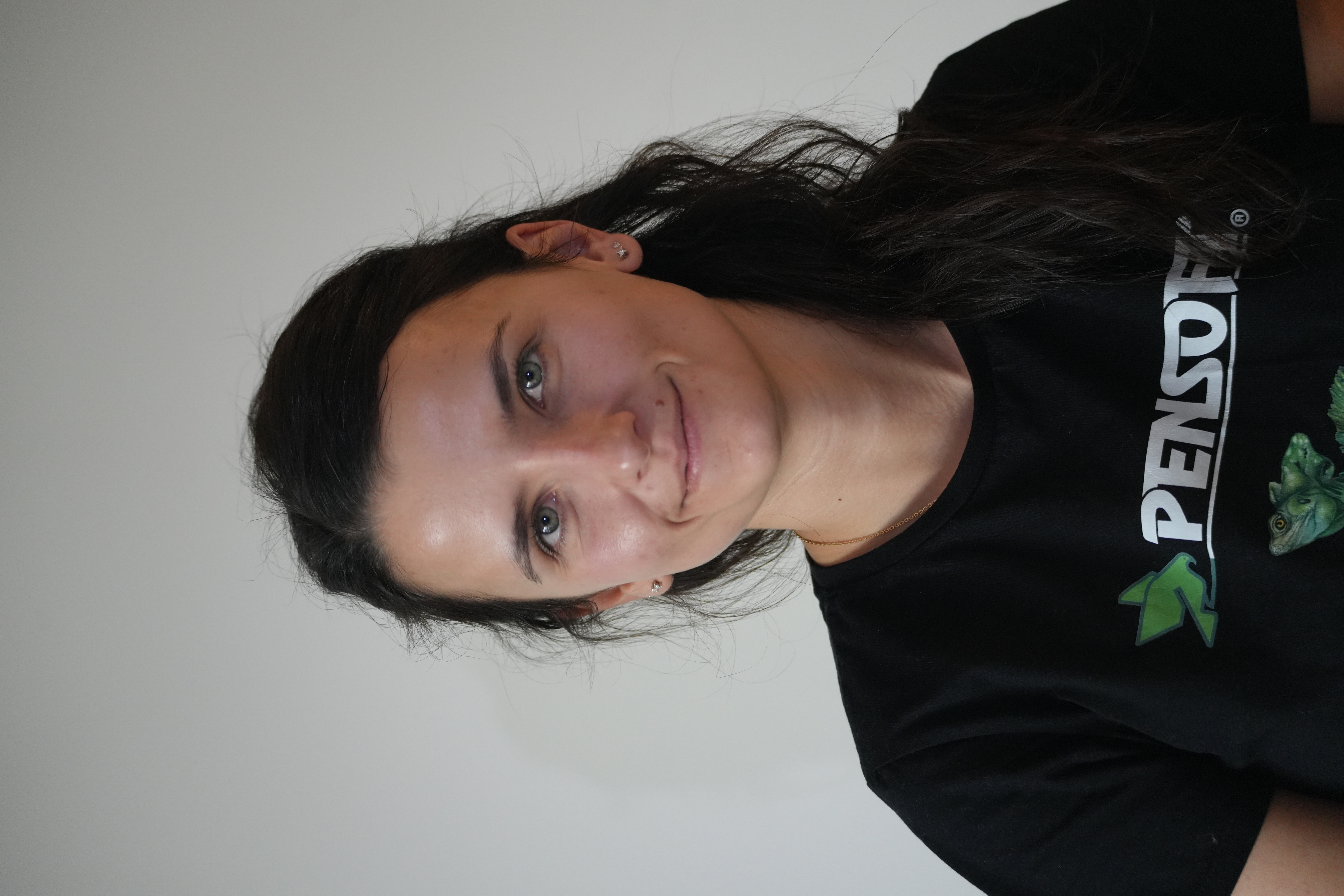
Nikol is a science communication expert at Pensoft, with a BSc in Modern languages, cultures and communication, as well as two MScs – in Communication and Information and in Digital Marketing and Communication. She manages the communication and dissemination activities of several European-funded projects. These projects focus on improving access to biodiversity data, better management of invasive alien species, supporting Natura 2000 site managers through enhanced biodiversity monitoring, and fostering a stronger research culture and reproducibility.
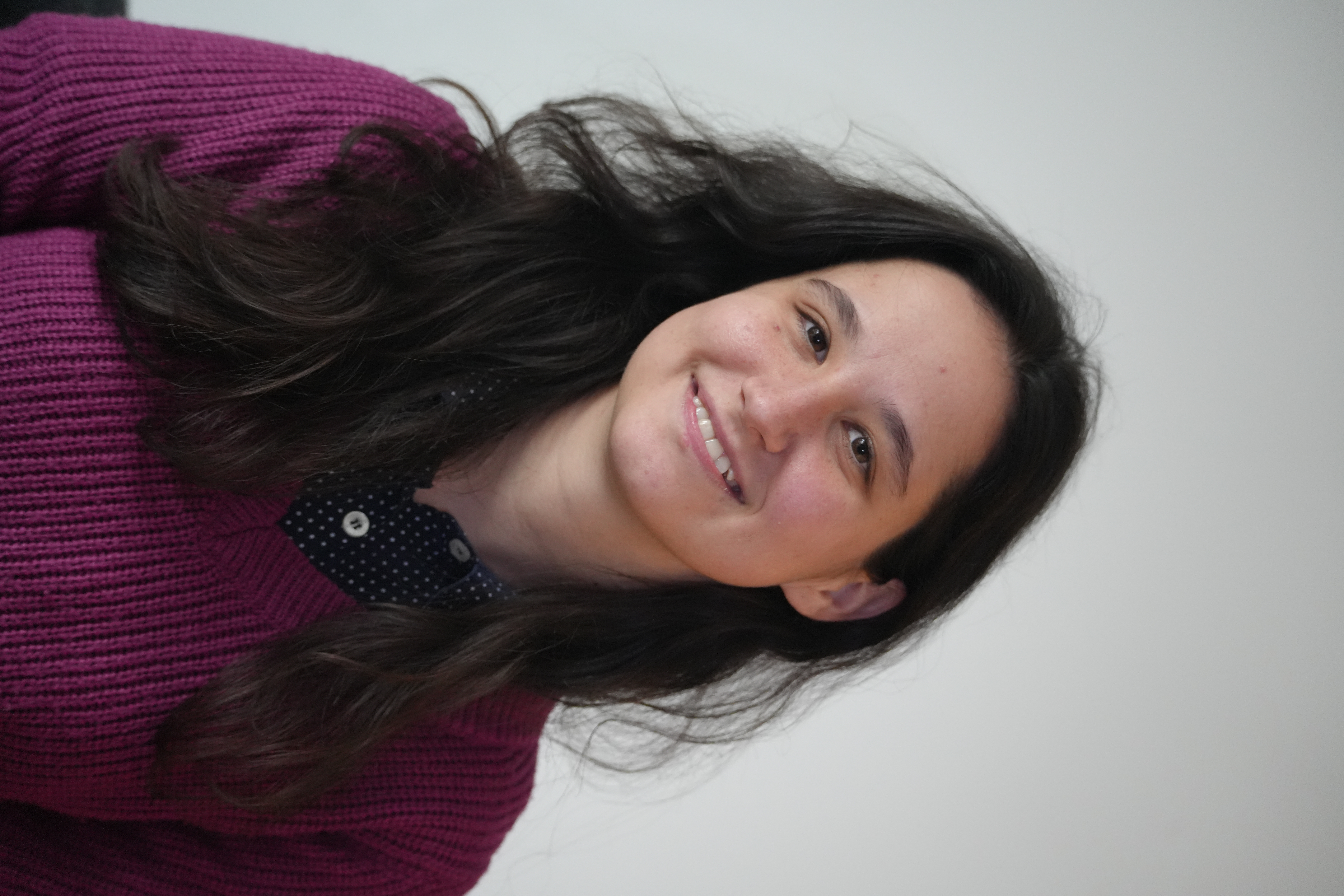
Nadya is a science communication expert at Pensoft, holding a Bachelor's Degree in International Relations. She is pursuing a Master's Degree in Intellectual Property and Technology Transfer, with a focus on open science, as well as a Master's Degree in Law.
Stellenbosch University (SU) is firmly committed to the pursuit of knowledge, research and innovation, in service of society. It provides a world-class centre for learning and development, which is globally relevant, yet rooted in the upliftment and transformation of local communities. Its actions are guided by key values and attributes, and enabled by outstanding staff and students, sound operating systems and a deep sense of purpose.
Stellenbosch University
Institutional description
Stellenbosch University (SU) is firmly committed to the pursuit of knowledge, research and innovation, in service of society. It provides a world-class centre for learning and development, which is globally relevant, yet rooted in the upliftment and transformation of local communities. Its actions are guided by key values and attributes, and enabled by outstanding staff and students, sound operating systems and a deep sense of purpose.
Team members
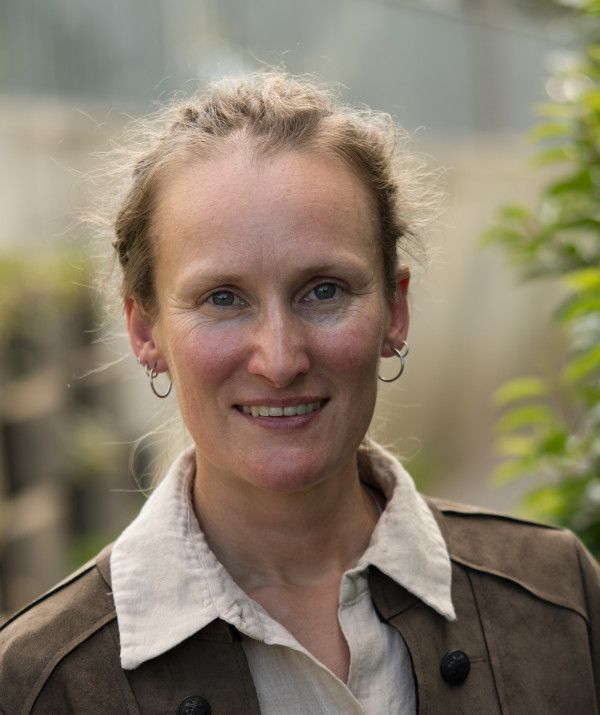
Sabrina Kumschick is a Senior Researcher at the Centre for Invasion Biology at Stellenbosch University. She has been working closely with policy makers at the local, national and global level, and with NGOs such as the IUCN, to improve the management of biological invasions and work towards integrated governance. She has developed globally, nationally and locally relevant frameworks for the management of biological invasions. Sabrina is the Chair of the IUCN EICAT Authority.
Relevant publications
Kumschick S., Bertolino S., Blackburn T.M., Brundu G., Costello K.E., De Groot M., Evans T., Gallardo B., Genovesi P., Govender T. et al. (2024) Using the IUCN Environmental Impact Classification for Alien Taxa (EICAT) to inform decision-making. Conservation Biology 38 https://doi.org/10.1111/cobi.14214
Kumschick S., Wilson J.R.U., Foxcroft L.C. (2020) A framework to support alien species regulation: the Risk Analysis for Alien Taxa (RAAT). NeoBiota 62 https://doi.org/10.3897/neobiota.62.51031
Bacher S.P., Blackburn T.M., Essl F., et al. (2018) Socio-economic impact classification of alien taxa (SEICAT). Methods in Ecology and Evolution 9 https://doi.org/10.1111/2041-210X.12844
University of Exeter (UoE) combines teaching excellence and high levels of student satisfaction with world class research at its campuses in Exeter and Cornwall. It is a member of the Russell Group of leading research-intensive universities. Its success is built on a strong partnership with its students and a clear focus on high performance.
University of Exeter
Institutional description
University of Exeter (UoE) combines teaching excellence and high levels of student satisfaction with world class research at its campuses in Exeter and Cornwall. It is a member of the Russell Group of leading research-intensive universities. Its success is built on a strong partnership with its students and a clear focus on high performance.
The University of Vienna (UNIVIE) has a clear social mission: to educate the next generation of students and conduct research to contribute to the further development of Austria’s capacity for innovation. The aim of making new discoveries and questioning the existing ones unites research teams, students and lecturers. People who study, conduct research and teach there address complex questions with passion, curiosity and perseverance on a daily basis. Approximately 88,900 students and 7,500 academics work at 20 faculties and centres on new answers for a better future.
Research related to OneSTOP will be conducted by Dr. Bernd Lenzner (PI), Dr. Lisa Tedeschi, and Prof. Franz Essl from the Division of BioInvasions, Global Change and Macroecology at the Department of Botany and Biodiversity Research. Research at the division is centred at the crossroads of invasion science, macroecology, biogeography and conservation biology, with a strong focus on human-environment interactions.
University of Vienna
Institutional description
The University of Vienna (UNIVIE) has a clear social mission: to educate the next generation of students and conduct research to contribute to the further development of Austria’s capacity for innovation. The aim of making new discoveries and questioning the existing ones unites research teams, students and lecturers. People who study, conduct research and teach there address complex questions with passion, curiosity and perseverance on a daily basis. Approximately 88,900 students and 7,500 academics work at 20 faculties and centres on new answers for a better future.
Research related to OneSTOP will be conducted by Dr. Bernd Lenzner (PI), Dr. Lisa Tedeschi, and Prof. Franz Essl from the Division of BioInvasions, Global Change and Macroecology at the Department of Botany and Biodiversity Research. Research at the division is centred at the crossroads of invasion science, macroecology, biogeography and conservation biology, with a strong focus on human-environment interactions.
Team members
Bernd Lenzner is a senior scientist at the University of Vienna and PI within OneSTOP. Bernd is fascinated by biodiversity and how we as humans interact with nature. As a macroecologist, he focuses on large-scale patterns and changes of biodiversity in the Anthropocene and particularly within the nature-society-policy nexus. His research aims at understanding how biodiversity and biocultural diversity is organized across space and time and how humans shape these patterns.
Lisa is a post-doc in the OneSTOP project. Her work lies at the interface of invasion science and conservation biology: she's interested in large-scale biodiversity patterns, drivers of biodiversity loss, and protected areas. She is actively involved in the organization of scientific conferences (especially for early-career researchers), in DEIJ activities and awareness in academia, and she is the vice-president of the Society for Conservation Biology Italian Chapter.
Franz Essl is a professor and biodiversity researcher at the Department of Botany and Biodiversity Research at the University of Vienna. His research focuses on biological invasions, global change, and conservation science. Franz Essl is a member of the executive team of the Austrian Biodiversity Council, and he is president of the Neobiota Organization. Franz Essl was named "Scientist of the Year" in Austria by the Club of Science Journalists in 2022.
Relevant publications
Tedeschi L., Lenzner B., Schertler A., Biancolini D., Essl F., Rondinini C. (2025) Threatened Mammals With Alien Populations: Distribution, Causes, and Conservation. Conservation Letters https://doi.org/10.1111/conl.13069
Pérez-Granados C., Lenzner B., Golivets M., Saul W.C., Jeschke J. M., Essl F., Peterson G. D., Rutting L., Latombe G., Adriaens T., et al. (2024) European scenarios for future biological invasions. People and Nature 6 https://doi.org/10.1002/pan3.10567
Essl F., Lenzner B., Bacher S., et al. (2020) Drivers of future alien species impacts: An expert-based assessment. Global Change Biology 26 https://doi.org/10.1111/gcb.15199
GreenFormation (GF) consists of dedicated individuals with a diverse background ranging from ecology through economy and policy to geography. It focuses on biodiversity and the well-being of society, sufficient energy use, socio-economic transition and transformation as well as behaviour change. For this it carries out research, measures impacts, provides advice and does projects. It involves multiple stakeholders, building dialogues and bridges. It brings experience and networks from both Western and Eastern Europe.
GreenFormation
Institutional description
GreenFormation (GF) consists of dedicated individuals with a diverse background ranging from ecology through economy and policy to geography. It focuses on biodiversity and the well-being of society, sufficient energy use, socio-economic transition and transformation as well as behaviour change. For this it carries out research, measures impacts, provides advice and does projects. It involves multiple stakeholders, building dialogues and bridges. It brings experience and networks from both Western and Eastern Europe.
Team members
Tamara Kovács graduated in nature conservation engineering and has a keen interest in urban ecosystem services and biodiversity. She contributed to projects that co-created urban biodiversity with broad stakeholder engagement and assessed ecosystem services along highways and in forest and grassland ecosystems.
Ágnes Zólyomi has degrees in geography and environmental policy, and is currently pursuing research in biodiversity prioritisation and behaviour sciences. As an expert of the European Commission and IPBES, she has worked on ecosystem services, green infrastructure and nature-based solutions, and coordinated several EU projects. Her key expertise is related to qualitative ecosystem services evaluation, environmental policies and policy impact assessments.
Relevant publications
Lenti A., Kelemen E., Czett K., Klusmann C., Pataki G., Geneletti D., Jähnig S. C., Stoffers T., Chinweuba E., Dumortier M., Sharma N., Van Dijk J., Vandewalle M., Vierikko K., Zólyomi Á. (2025) Implementing the European Union Biodiversity Strategy: Interlinked challenges and a potential way forward. People and Nature 7 https://doi.org/10.1002/pan3.70106
Runhaar H., Pröbstl F., Heim F., Santos E.C., Claudet J., Dik L., De Queiroz-Stein G., Zolyomi A., Zinngrebe Y. (2024) Mainstreaming biodiversity targets into sectoral policies and plans: A review from a Biodiversity Policy Integration perspective. Earth System Governance 20 https://doi.org/10.1016/j.esg.2024.100209
Zolyomi A., Franklin A., Smith B., Soliev I. (2023) Ecosystem services as the silver bullet? A systematic review of how ecosystem services assessments impact biodiversity prioritisation in policy. Earth System Governance 16 https://doi.org/10.1016/j.esg.2023.100178
The Helmholtz Centre for Environmental Research (UFZ) is one of the world’s leading research centres in the field of environmental research, enjoying high social recognition. It demonstrates ways in which a sustainable use of our natural resource base is possible for the benefit of both humankind and the environment. Biodiversity, functioning ecosystems, clean water and intact soils all make up UFZ's natural resource base. In the face of global change, employees at the UFZ are united by the goal of demonstrating ways to combine societal development with a healthy environment.
Helmholtz Centre for Environmental Research
Institutional description
The Helmholtz Centre for Environmental Research (UFZ) is one of the world’s leading research centres in the field of environmental research, enjoying high social recognition. It demonstrates ways in which a sustainable use of our natural resource base is possible for the benefit of both humankind and the environment. Biodiversity, functioning ecosystems, clean water and intact soils all make up UFZ's natural resource base. In the face of global change, employees at the UFZ are united by the goal of demonstrating ways to combine societal development with a healthy environment.
Team members
Marina Golivets is a postdoctoral researcher in the UFZ’s Department of Community Ecology. She is a plant and invasion ecologist with a background in ecology, forestry, and horticulture, and a strong emphasis on quantitative data synthesis. Her research spans multiple scales—from studying biotic interactions involving alien plants, to identifying large-scale patterns and drivers of plant invasions, and projecting how plant invasions may unfold in the future.
Relevant publications
Khan T., El-Gabbas A., Golivets M., Souza A., Gordillo J., Kierans D., Kühn I. (2024) Prototype Biodiversity Digital Twin: Invasive Alien Species. Research Ideas and Outcomes 10 https://doi.org/10.3897/rio.10.e124579
Pérez-Granados C., Lenzner B., Golivets M., Saul W.C., Jeschke J. M., Essl F., Peterson G. D., Rutting L., Latombe G., Adriaens T., et al. (2024) European scenarios for future biological invasions. People and Nature 6 https://doi.org/10.1002/pan3.10567
Ovidius University of Constanța (UOC) is the largest university in the European Union at the Black Sea, hosting more than 18,000 students and 1100 academic and administrative staff. Established in 1961 as a public higher education institution, it became a university in 1990 and took the name of Ovidius, the Roman poet of antiquity. The university currently offers undergraduate and graduate degrees in various fields, ranging from medical and life sciences to engineering, social sciences and arts. UOC is devoted to regional and international cooperation, is a member of various associations e.g. the European University Association (EUA), the European Association of Institutions in Higher Education (EURASHE), the Balkan Universities Association (BUA) and hosts the International Permanent Secretariat of the Black Sea Universities Network (BSUN).
Ovidius University of Constanța
Institutional description
Ovidius University of Constanța (UOC) is the largest university in the European Union at the Black Sea, hosting more than 18,000 students and 1100 academic and administrative staff. Established in 1961 as a public higher education institution, it became a university in 1990 and took the name of Ovidius, the Roman poet of antiquity. The university currently offers undergraduate and graduate degrees in various fields, ranging from medical and life sciences to engineering, social sciences and arts. UOC is devoted to regional and international cooperation, is a member of various associations e.g. the European University Association (EUA), the European Association of Institutions in Higher Education (EURASHE), the Balkan Universities Association (BUA) and hosts the International Permanent Secretariat of the Black Sea Universities Network (BSUN).
Natural Resources Institute Finland (LUKE) is a research organisation that builds sustainable future and well-being from renewable natural resources. Luke’s task is to promote competitive business based on the sustainable use of renewable natural resources, as well as wellbeing and the vitality of the countryside.
Natural Resources Institute Finland
Institutional description
Natural Resources Institute Finland (LUKE) is a research organisation that builds sustainable future and well-being from renewable natural resources. Luke’s task is to promote competitive business based on the sustainable use of renewable natural resources, as well as wellbeing and the vitality of the countryside.
Team members
Anna Poimala is a forest ecologist specialising in forest pathology at the Natural Resources Institute Finland. Her research focuses on ecology, introduction, impacts, and management of invasive plant and forest pathogens, as well as assessing the potential risks they pose to Finnish ecosystems. She is also engaged in projects developing novel eDNA-based detection methods and innovative strategies for managing both introduced and native plant pathogens.
Miia Jauni is a research scientist at Natural Resources Institute Finland (Luke). She is an agroecologist specialised in biological invasions and plant ecology. Her research focuses on the ecology, monitoring, prevention and management of invasive alien species. She also works with the implementation of EU and national IAS regulations and is interested in operating in science-policy interfaces.
Heidi Blom is an environmental expert with an interdisciplinary educational background who works with invasive alien species (IAS) at Natural Resources Institute Finland. She is involved in developing and implementing various solutions, control measures, and communication related to IAS. In addition, she handles governmental responsibilities related to IAS.
Eeva Vainio is research professor of forest health in Natural Resources Institute Finland. A central topic in her research is the development of sustainable solutions for controlling soilborne and root-associated fungal and oomycete pathogens of forest trees. Her research also addresses factors affecting the spread and population dynamics of indigenous and invasive forest pathogens and community dynamics of tree-inhabiting fungi.
Markus Melin works as a Research Scientist focusing on pest insects of forests. He also works as Research Manager with focus on damage agents, their management and effects on ecosystems. Currently, his projects deal with issues related to forest disturbances and their effects on forest ecosystems.
Relevant publications
Garcia-Lozano, C., Pueyo-Ros J., Canelles Q., Latombe G., Adriaens T., Bacher S., Cardoso A.C., Cleary M., Coromina L., Courchamp F., Dawson W., De Groot M., Essl F., Gallardo B., et al. (2025) Management Measures and Trends of Biological Invasions in Europe: A Survey-Based Assessment of Local Managers. Global Change Biology 31 https://doi.org/10.1111/gcb.70028
Jauni M., Huusela E., Urho L.,Hyvönen T. (2023) Prioritising Management of Invasive Alien Species of EU Concern - A Northern Perspective. Diversity 15 https://doi.org/10.3390/d15050585
Prass M., Ramula S., Jauni M. et al. (2022) The invasive herb Lupinus polyphyllus can reduce plant species richness independently of local invasion age. Biological Invasions 24 https://doi.org/10.1007/s10530-021-02652-y
The Binary Forest (NNIT) offers custom development and consultancy services to organisations active in the field of science, nature and conservation.
The Binary Forest
Institutional description
The Binary Forest (NNIT) offers custom development and consultancy services to organisations active in the field of science, nature and conservation.
Team members
Nicolas Noé is a software developer with over 15 years of experience in biodiversity and conservation projects. He has strong expertise with GBIF, has developed early warning systems to combat invasive species, and regularly supports training and capacity-building initiatives. Nicolas combines technical skill with a passion for nature, applying innovative solutions to support scientific research and environmental initiatives.
Relevant publications
Noé N., Adriaens T., D'hondt B., Reyserhove L., Desmet P., Oldoni D. (2022) LIFE RIPARIAS Early Alert: Using GBIF-mediated data to better manage invasive alien species. Biodiversity Information Science and Standards 6 https://doi.org/10.3897/biss.6.93879
Noé N. (2019) An artisan approach to biodiversity software development. Biodiversity Information Science and Standards 3 https://doi.org/10.3897/biss.3.35382
Noé N., Reyniers M., Van Hoey S., Desmet P. (2022). CROW - Online tool to visualise birds detected by weather radars (v1.3). Research Institute for Nature and Forest (INBO) https://doi.org/10.5281/zenodo.7372679
The Joint Research Centre (JRC) is the European Commission's science and knowledge service, providing independent, evidence-based knowledge to support EU policies and benefit society. It focuses on areas such as the environment, space, and international development, offering scientific data, methods, and tools to inform policy. One of its key systems is EASIN (European Alien Species Information Network), developed and maintained by a multidisciplinary team with expertise in biodiversity, data science, policy, legal frameworks, citizen science, and public engagement. With over a decade of experience, the JRC EASIN team ensures high data accuracy, consistency, and interoperability to support robust analysis and policy decisions related to Invasive Alien Species (IAS).
Joint Research Centre
Institutional description
The Joint Research Centre (JRC) is the European Commission's science and knowledge service, providing independent, evidence-based knowledge to support EU policies and benefit society. It focuses on areas such as the environment, space, and international development, offering scientific data, methods, and tools to inform policy. One of its key systems is EASIN (European Alien Species Information Network), developed and maintained by a multidisciplinary team with expertise in biodiversity, data science, policy, legal frameworks, citizen science, and public engagement. With over a decade of experience, the JRC EASIN team ensures high data accuracy, consistency, and interoperability to support robust analysis and policy decisions related to Invasive Alien Species (IAS).
I am particularly interested in the development of new solutions for the early detection and management of invasive alien species, and therefore very happy to be able to follow the progress of the OneSTOP project on these aspects.
Pierre Bonnet
Biography
I am a researcher at CIRAD, specialising in botany and computer science applied to biodiversity, within the AMAP (Botany and Modelling of Plant Architecture and Vegetation) research unit based in Montpellier. I am interested in large-scale plant identification and characterisation, using data science and interdisciplinary collaboration. In particular, I have been the coordinator of the Pl@ntNet network since its creation and the coordinator of the European GUARDEN project since 2022.
I am particularly interested in the developments, initiatives and outcome of OneSTOP and would like to contribute to its success by fostering collaboration and synergies among networks and projects.
Birgit Gemeinholzer
Biography
I am a Professor of Botany at the University Kassel/Germany since January 2021. My research focuses on molecular plant identification via eDNA and metabarcoding, population genetics, and making biological data available. I am actively involved in GBIF, NFDI4Biodiversity and MetaPlantCode.
I would like to follow advances made through the project on how GBIF-mediated data can support national and regional invasive species management.
Andrew Rodrigues
Biography
My interests are in how we can effectively address gaps in knowledge through improved data standards, targeted data mobilisation and the development of data products that feed into effective decision making, particularly with respect to the Kunming-Montreal Biodiversity Framework. I am the GBIF coordinator of the work of the GBIF invasive species task group.
The novel approaches to detection and data dissemination streams being developed through the OneSTOP project could be a game-changer in preventing the introduction and establishment of invasive alien species across the EU. I am very excited to be part of the advisory board, and will work to ensure that its outputs and impacts are felt beyond Europe through IUCN’s global reach and membership
Kevin Smith
Biography
As IUCN’s Head of Programme on Invasive Alien Species and Wildlife Health, my main area of interest is supporting governments, the private sector, and civil society in developing and implementing measures to prevent and mitigate impacts from biological invasions at national, regional, and global levels. I also work on strengthening and developing wildlife health capacity within One Health frameworks and policies. For both these areas, I aim to connect the scientific knowledge and data mobilised through the IUCN Commission expert networks to inform policy and action on the ground.
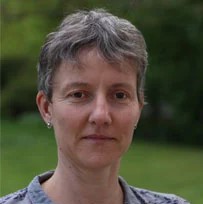

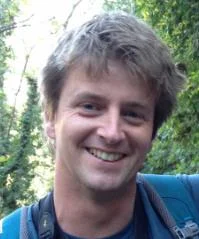
To be aware of the main goals and results of pan-European projects on biological invasions.
Montserrat Vilà
Biography
My main areas of interest are the role of biotic interactions on the performance of non-native plants, and the impacts of plant invaders on biodiversity, ecosystem services and human well-being. I have been president of the European Working Group on Biological Invasions (NEOBIOTA) for more than a decade. I am a member of the Scientific Forum of the European Regulation on Alien Invasive Species.
OneSTOP shares the same objectives and expected outcomes as GuardIAS, with the former focusing on terrestrial and the latter on aquatic environments. I am particularly interested in the outcomes of OneSTOP and in fostering collaboration and synergies between the two projects.
Stelios Katsanevakis
Biography
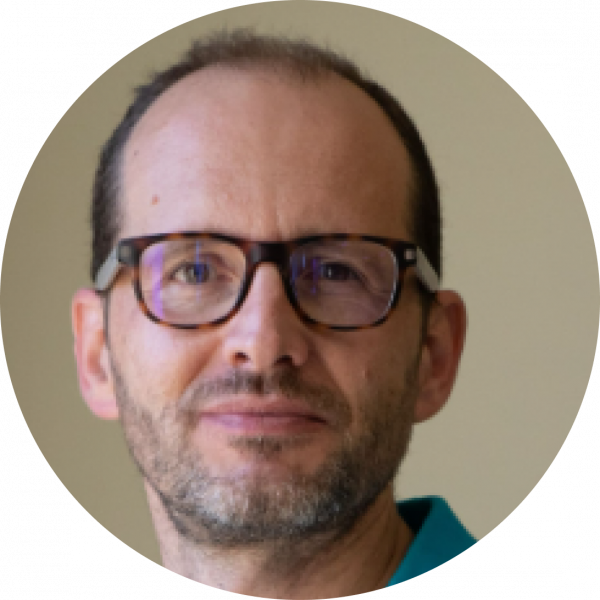
I am a Professor of Marine Ecology at the Department of Marine Sciences, University of the Aegean. My research focuses on marine conservation and ecosystem-based spatial planning, biological invasions and their impacts on biodiversity and ecosystem services, and the development of non-destructive monitoring methods. I have authored over 300 scientific publications, serve as Editor-in-Chief of BioInvasions Records and Specialty Chief Editor of Frontiers in Marine Science, and currently coordinate GuardIAS—the sister project of OneSTOP.