OneSTOP Datathon 2025: managing, enriching and publishing invasive species checklists
Authored by Lien Reyserhove from INBO.
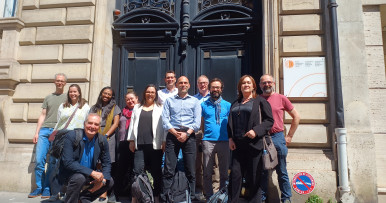
From 25–27 November 2025, experts from across Europe gathered in Brussels and online for the OneSTOP datathon. The three-day event brought together taxonomists, data managers, and invasion biologists to tackle one central challenge: how to build high-quality, interoperable national checklists of alien and invasive species that work across countries and platforms like GBIF.
The datathon focused on the realities of compiling national lists. Familiar obstacles discussed are the taxonomic mismatches, lack of experts for some groups, gaps in pathway data, and the difficulty of determining what is truly “native.” A key debate emerged around whether to include cultivated and captive species in national checklists of introduced and invasive species. Including all species from greenhouses and shops may be unmanageable, but a precautionary approach is advised. This is especially true in warmer regions like Cyprus, because today’s ornamental plant or pet can become tomorrow’s invader. A middle ground was proposed: prioritise cultivated species with clear potential to escape and establish.
Another recurring theme was terminology. The participants explored the strengths of and gaps in the Darwin Core standard, with a specific focus on the degree of establishment, establishment means and pathways of introduction of an introduced population. Especially the word “invasive” caused confusion by implying impact, when in data standards it usually refers only to spread and establishment of an introduced species.
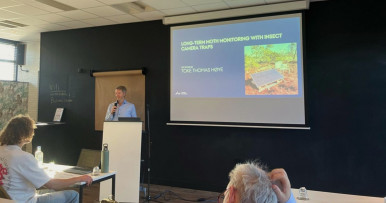
The datathon also featured presentations on the broader data ecosystem. GBIF outlined the plans to improve the findability and interoperability of invasive alien species data, the SinIAS project showcased a global effort to harmonize alien species data from many isolated sources, while the B-Cubed project demonstrated how GBIF and GRIIS data can power indicators for international biodiversity targets.
The datathon demonstrated that high-quality invasive species data depends both on well developed data standards as on scientific expertise. The datathon laid the groundwork for faster, clearer, and more actionable information on alien species, which is exactly what early warning systems and policymakers need.